
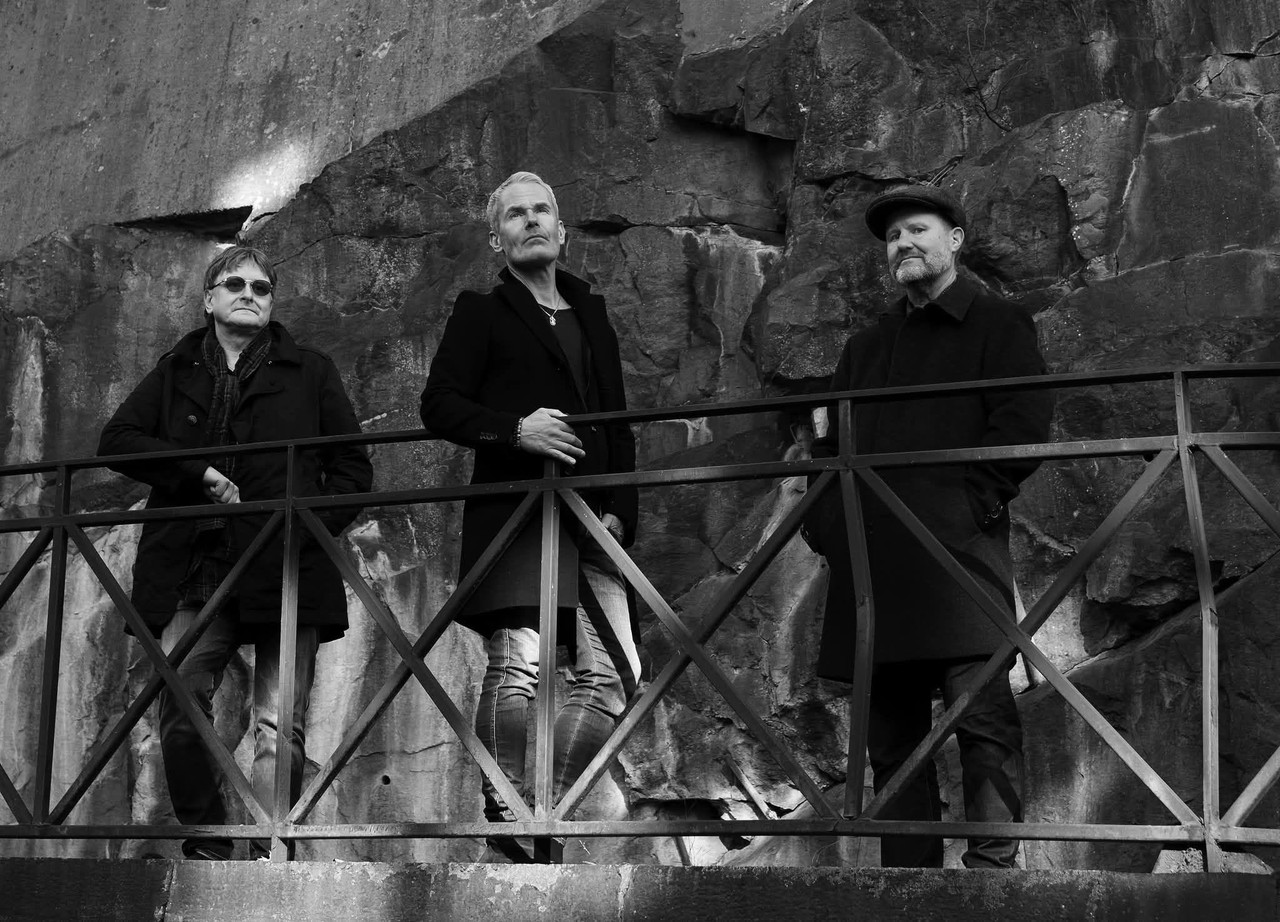

Black Cat Moan plays straight forward hard rock with main influences from the 1970's. Black Cat Moan was founded 1989 in Stockholm, Sweden, and first album Black Cat Moan was released in 1991. The band was close to a broader commercial breakthrough, but when its record company shut down the band went on a long pause.
In 2017, founding members Lars Isaksson (vocals), Bo Åström (drums) and Jörgen Lantto (guitars and bass) reformed the band and started writing and recording new material. In 2023 the band's second album Departure was released, followed by their third album Wasteland in September 2026.
The band is currently promoting the new album Wasteland, and has started the writing process for new material.
-Interview- (11/23/26)
1. How did you get started with music and how did you develop your sound?
Bo Åström (drums) and Jörgen Lantto (guitars) started playing together in 1984, the band was later named Landslide. Over the next years several demos were recorded, with different lineups of the band. In 1989, Lars Isaksson (vocals), Hans Ludwig (guitars) and Peter Melin (bass) joined the band. A demo was recorded which was picked up by the head of A&R for Virgin Scandinavia who signed the band on his new label. An album was recorded and released in 1991. The band then changed its name to Black Cat Moan, based on the title track of the first album. The band was close to making it internationally but faced significant headwinds when their label closed down within a year of the first album's release. Around 1993 the band was put on a long pause. In 2017, Bo, Jörgen and Lars decided to reform the band as a three-piece. New material was written and recorded, and the band's second album, *Departure*, was released in 2023. In September 2026, the band's third album, "Wasteland", was released.
Our sound changed during the 80's as we developed our own style. When the lineup was completed in 1989 we were ready to bring forward our unique blend of hard rock, which led to the band being signed.
2. What do you want people to take away from your music?
We just want to entertain people. If we can make life a bit more enjoyable for someone by making music that people like, we're happy.
3. How would you describe your sound to the average listener?
We grew up in the 70's and the bands that came forward then are our main influences. We want to bring music like it was written then to today's audience and listeners.
4. Who are three bands you’d like to tour with?
In these days we don't plan any tours since only three of us remain in the band. Of today's younger touring bands, it would be great to play with Rival Sons, The Darkness and The Struts.
5. What's your thoughts on AI generated music?
Anything that can be done will be done, so there is no point in being upset about AI generated music. Maybe some day it will sound as natural as music made by humans, but we aren't there yet. In our case, we write and record music because we love it, and we hope listeners recognize this when they listen to us. That love cannot be recreated by AI.
6. What’s your take on the current state of Rock?
Rock is not dead contrary to what Gene Simmons says. Since hard rock was invented around 1970 by band like Deep Purple, Black Sabbath and Led Zeppelin, there have been phases of strong creativity and periods of stagnation, but that's natural. There are still new bands emerging that keep it fresh, the way it should be.
7. What’s the current local music scene like there in Stockholm?
The local scene here was more vibrant when we emerged around 1990, so it's probably not at its peak today. The live scene is heavily impacted by the availability of clubs where up and coming bands can play, and club owners are struggling to be allowed to provide live music in the central parts. Music wise, new bands breaking through today are probably a bit more indie in style than traditional hard rock, but this is the normal flow, subgenres come and go, but rock remains.
8. What’s your take on the royalties that streaming services pay out to artists?
It's really sad that the company that moved the value of creating music from the recording musicians to a few executives and their shareholders was founded in Stockholm where we live. Of course we refer to Spotify here. Back in the days when selling a few hundred thousand records would bring a band some decent revenue, there was at least the potential to make it as a professional musician, by releasing new music. That's not true anymore. So there has been a dramatic shift in where value creation is rewarded: from recording musicians to Spotify's executives and investors. Ultimately, it dramatically dilutes the value of music, so it's really a shame. But it is what it is, the only way this could change would be if record companies released and promoted physically distributed music and the younger generation recognized its value more than it does today. Who knows, it might happen again.
9. What’s next for Black Cat Moan?
Right now our main focus is to promote our new album Wasteland that we released earlier this fall. Besides this, we continue writing and recording new music.
10. Any shoutouts?
For Wasteland, we brought in Ziv Shalev, a session guitaris from New York, to play lead guitars on some of the tracks. Ziv did a great job, and we'd be happy to collaborate more with him going forward. He's a great guy too.
